
BMW M5 Parts: Every Generation and Its Engine

Researched by Craig Sandeman
Automotive researcher and writer on South African used car parts.
· · 4 min read · LinkedIn
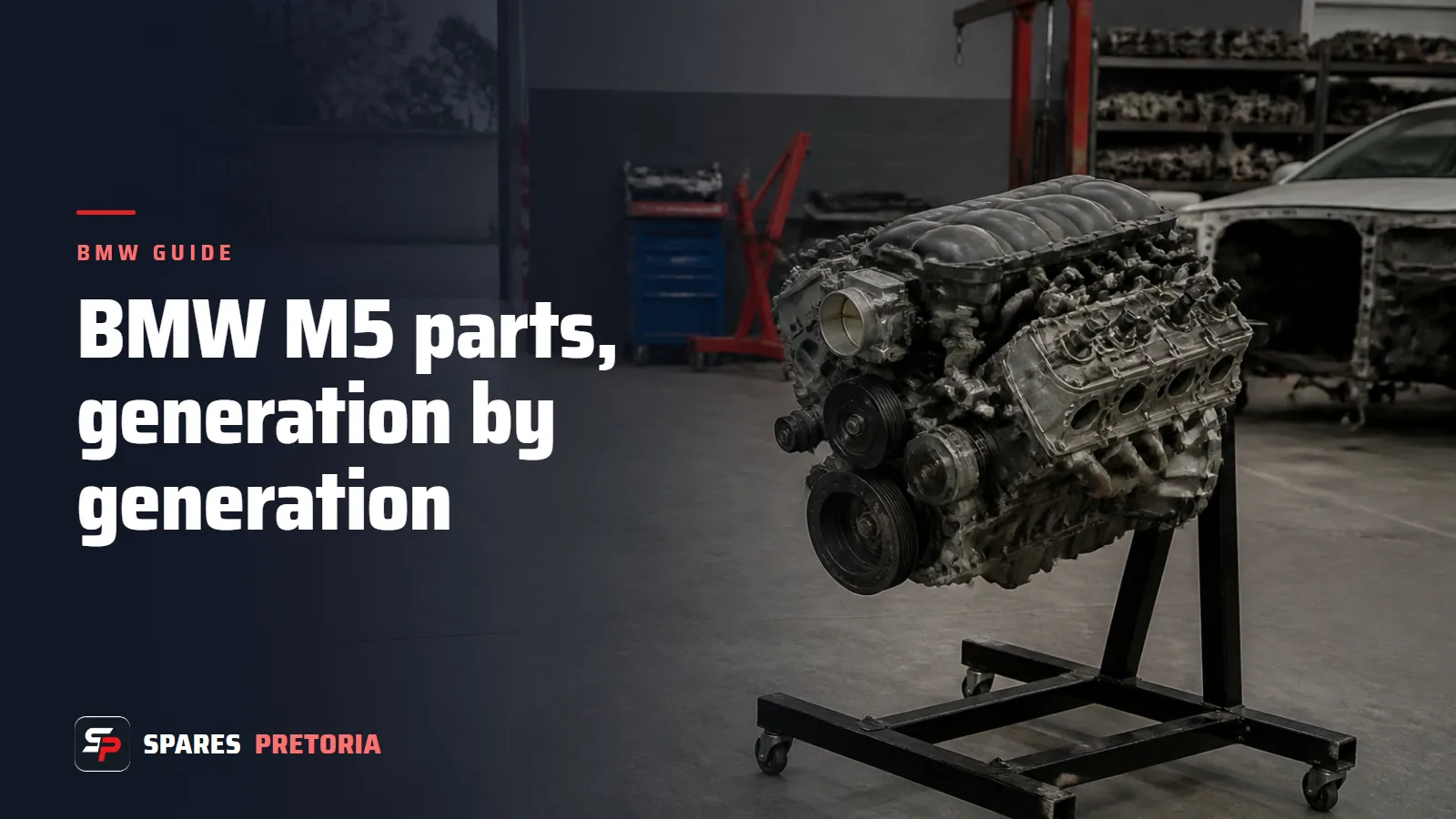
The BMW M5 has used three kinds of engine: a straight-six in the first two generations (1985 and the E34), V8s in the 1998 E39 (4.9 litres) and from 2011 (a 4.4-litre twin-turbo), and a 5.0-litre V10 in the 2005 E60. The M5 never had a V6. Its engine and, on the 2005 and 2011 cars, its gearbox are M5-only parts.
Key takeaways
- First and second generation: straight-six (the E34's 3.8-litre is the S38).
- Third generation (E39, 1998): 4.9-litre S62 V8, 294 kW.
- Fourth generation (E60, 2005): 5.0-litre V10, 373 kW, seven-speed SMG.
- Fifth and sixth generations: 4.4-litre twin-turbo V8; the 2018 car added M xDrive.
- Some body and cabin parts may be shared with the normal 5 Series; only the VIN settles it.
In this guide
The BMW M5 has used three very different kinds of engine since 1985: a straight-six, V8s and, for one generation, a V10. That matters when you are looking for parts, because an M5 shares its body and much of its interior with the 5 Series of its day, but its engine, and on some generations its gearbox, are its own.
This guide sets out each M5 generation, the engine it carried, and which used parts can come from an ordinary 5 Series and which have to come from an M5.
The M5 generations and their engines
All the dates, engines and outputs below come from BMW's own press material: its "30 years of the BMW M5" media information (May 2014), its 2018 sixth-generation launch release, and the BMW of North America histories cited in each section.
First generation (E28): the M1's straight-six
BMW Motorsport started work on the M5 in 1984 and launched it in summer 1985. It took its four-valve 3.5-litre straight-six from the line that began in the M1 super-sports car. BMW of North America records that the US took over half of E28 M5 production, 1,227 cars, which gives a sense of how rare these are now (BMW NA 50 Stories, chapter 29).
Second generation (E34): the S38
The second M5 kept a straight-six, first at 3.6 litres and then, from late 1991, at 3.8 litres with 250 kW/340 hp. BMW of North America names that 3.8-litre engine as the S38. Around 12,000 were sold between 1988 and 1995.
Third generation (E39): the S62 V8
The third M5 arrived in autumn 1998 with a 4.9-litre V8 of 294 kW/400 hp. BMW's history explains that the M engineers built the S62 by developing the production M62 V8, and that it was paired with a Getrag six-speed manual gearbox.
Fourth generation (E60): the V10
This is the M5 people mean when they ask which one had a V10. BMW called the E60-based car the first volume-production saloon with a high-revving V10: 5.0 litres, 373 kW/507 hp, driving through a seven-speed Sequential M Gearbox (BMW Group PressClub UK).
Fifth generation (2011): back to a turbo V8
The 2011 M5 returned to a V8, now a 4.4-litre twin-turbo with 412 kW/560 hp and a seven-speed M Double Clutch Transmission. BMW of North America explains it was developed from the S63 V8 of the X5 M and X6 M and designated S63TÜ (BMW Group PressClub USA).
Sixth generation (2018): all-wheel drive
The sixth M5 kept the 4.4-litre twin-turbo V8 but added M xDrive all-wheel drive and an eight-speed M Steptronic gearbox (BMW Group PressClub UK, March 2018).

Which parts an M5 shares with a normal 5 Series
Every M5 is built on the 5 Series of its generation (BMW's own launch text calls the V10 car "E60-based"), so it is worth asking whether a body or cabin part you need was also fitted to the ordinary 5 Series. Our E39 5 Series parts page and E60 parts page cover those cars.
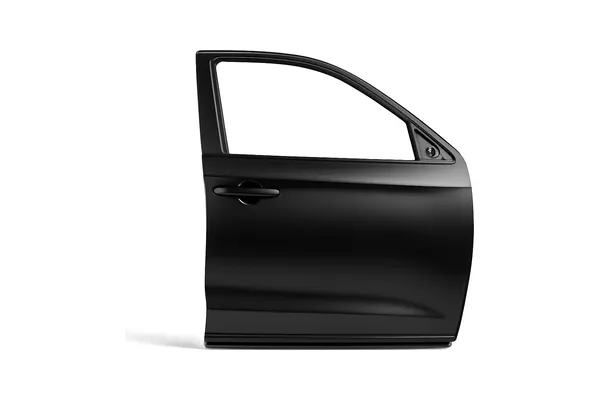
Do not assume a match M5s carry their own versions of many parts, and only the VIN settles which one your car needs.
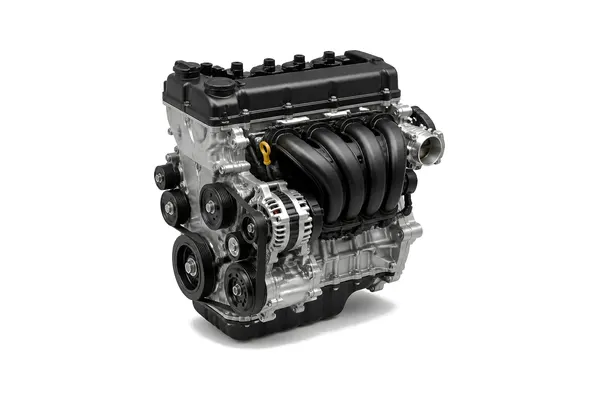
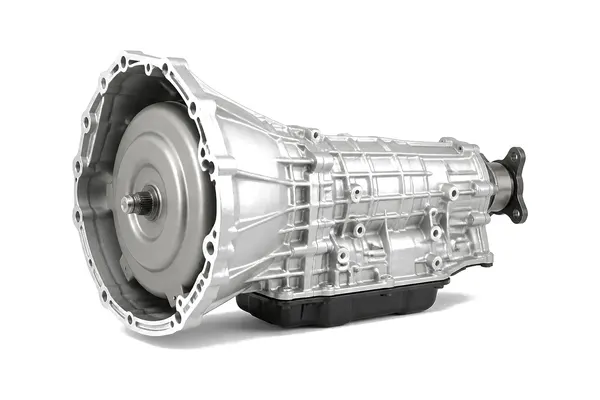
The engine and gearbox are the clear exception. As the generations above show, every M5 used its own M engine, and the 2005 and 2011 cars also had M-only gearboxes (the Sequential M Gearbox and the M Double Clutch Transmission), so those parts have to come from an M5.
What to send us for M5 parts
Tell us the year, which generation you have, and the VIN from the licence disc or windscreen. For engine and gearbox parts, a photo of the part and any number on it saves a lot of back and forth.
We will tell you if a regular 5 Series part fits Our parts are stripped from accident-damaged vehicles and tested, and we have been stripping and selling used parts for over 15 years, so if a body or cabin part for your M5 can come from a regular 5 Series, we will tell you.
Send your request through our BMW parts page, and for the M5's smaller sibling, see our guide to BMW M3 parts by generation.
Used parts for this job
Tap a part to ask us for a price.
Sources
- 30 years of the BMW M5 (media information, May 2014) — BMW Group
- 50 Stories for 50 Years, chapter 29: the third-generation BMW M5 [E39] — BMW of North America
- The new BMW M5 (E60) — BMW Group PressClub UK
- Introducing the all-new 5th generation BMW M5 — BMW Group PressClub USA
- The new BMW M5 (March 2018) — BMW Group PressClub UK
FAQ
Questions people ask
What engine is in the BMW M5?
It depends on the generation. The first two used a straight-six (3.5 litres, then 3.6 and 3.8), the 1998 E39 a 4.9-litre V8, the 2005 E60 a 5.0-litre V10, and the 2011 and 2018 cars a 4.4-litre twin-turbo V8.
Is the BMW M5 a V6 or V8?
The generations covered in this guide used straight-six, V8 and V10 engines. None of them was a V6. The 1998, 2011 and 2018 generations were V8s.
Which M5 has a V10 engine?
The fourth generation, launched in 2005 and based on the E60 5 Series. Its 5.0-litre V10 made 373 kW (507 hp) and drove through a seven-speed Sequential M Gearbox.