
BMW Water Pump, Thermostat or Radiator? Symptoms and Parts

Researched by Craig Sandeman
Automotive researcher and writer on South African used car parts.
· · 5 min read · LinkedIn
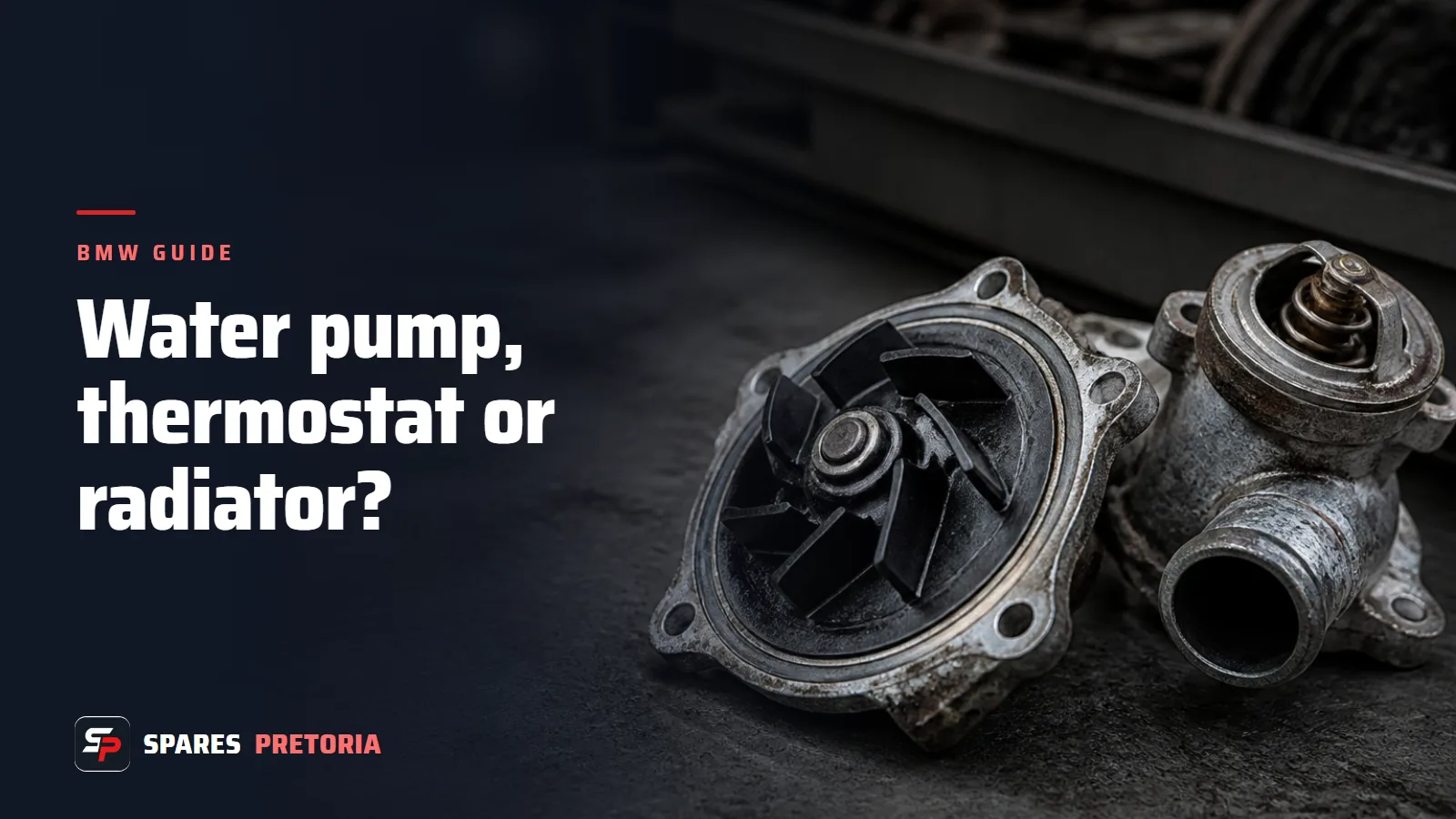
A failing BMW water pump shows as noise, coolant loss or overheating. A thermostat stuck open makes the engine slow to warm up; stuck closed, it overheats soon after warming up. A clogged radiator or a fan that does not switch on also causes overheating. Check the reading, the coolant level, the radiator and fan, then the thermostat and pump.
Key takeaways
- HELLA lists three signs of a failing coolant pump: noise, loss of coolant and overheating.
- A failing fan clutch, a misaligned belt or old coolant can kill a new pump too.
- Thermostats are cheap wear parts, so fit a new one; radiators are good used buys.
- BMW engines designed before 2004, such as the E46 and E39 sixes, use a belt-driven pump.
- In the 12 months to 18 October 2026, radiators came up in 3 of 40 BMW requests on our form.
In this guide
If your BMW is overheating, losing coolant or making a new noise from the front of the engine, the fault is most often in one of three parts: the water pump, the thermostat or the radiator. Each one fails in a recognisable way, and checking them in the right order saves you buying a part you did not need.
This guide goes part by part: what each one does, the symptoms that point to it, what causes it to fail, and whether a used replacement makes sense. For how the whole cooling loop fits together, including which BMW engines have an electric pump, start with our overview of how a BMW cooling system works.
Symptom to part: a quick table
| What you notice | Most likely part | Check first |
|---|---|---|
| Squeal, grinding or bearing noise from the front of the engine | Water pump (belt-driven) | Belt condition and tension, then pump bearing play |
| Coolant level keeps dropping, wet patch under the front | Water pump, radiator or a hose | Where the wet trail starts: pump body, radiator seams or hose ends |
| Engine gets hot soon after warming up | Thermostat stuck closed, or a pump not moving coolant | Whether the thermostat opens: coolant temperature before and after it |
| Engine takes a long time to warm up, weak heater | Thermostat stuck open | Gauge reading on a normal drive |
| Overheats and the electric or auxiliary fan never seems to run | Fan, or a radiator blocked by dirt | Fan switch-on, fuse, and whether the radiator fins are clean |
The table is a starting point for diagnosis, not a substitute for a pressure test. A workshop can pressure-test the system and find a leak you cannot see.
The water pump
The pump keeps coolant moving through the engine. HELLA's technical sheet on coolant pumps names three ways a failing pump shows itself: noise, loss of coolant, and inadequate cooling with the engine overheating (HELLA technical information, coolant pumps).
Why BMW water pumps fail
The same HELLA sheet lists the causes, and they are worth knowing because some of them will kill a replacement pump too:
- Mechanical wear: a broken or loose vane, a failed bearing or seal, or a damaged drive gear. HELLA notes that plastic vanes can become brittle with age.
- Belt problems: a belt that is too tight or out of line damages the pump's drive.
- A failing viscous fan clutch: heavy vibration from a defective clutch can break the pump bearing.
- Old coolant: stale coolant high in chlorides, combined with heat, causes pitting corrosion inside the pump.
- Too much sealant on the gasket, which can get into the circuit and damage the pump's seal.
- Electrical faults on electric pumps: a short circuit or a break in the wiring.
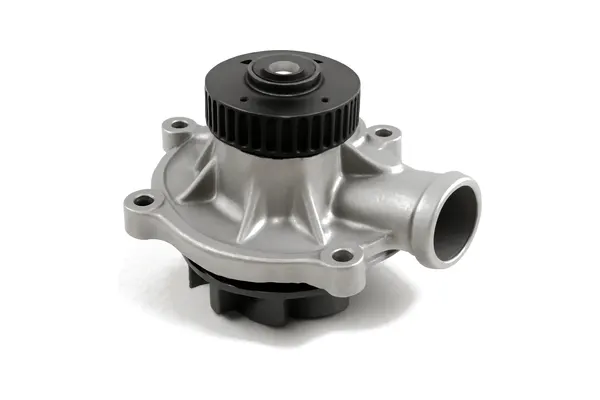
A damp relief hole is not proof HELLA points out that a small amount of coolant at the pump's relief hole does not, on its own, mean the pump has failed, because the seal lets minimal amounts through by design. A steady drip is a different matter.
Belt-driven or electric
Which pump your BMW has depends on the engine. BMW described the 3.0-litre six it launched in 2004 as having "the world's first electric water pump" (BMW Group PressClub UK, 2004), so older engines, such as the sixes in the E46 and E39, use a belt-driven pump. An electric pump costs considerably more, which is where a tested used one earns its keep.
The thermostat
The thermostat keeps coolant out of the radiator until the engine reaches operating temperature, then opens to let it through. That gives a short warm-up and a steady running temperature (HELLA Tech World, engine cooling). It fails in one of two directions:
- Stuck open: coolant goes through the radiator all the time, so the engine is slow to warm up and the heater stays lukewarm.
- Stuck closed: hot coolant never reaches the radiator, so the engine heats up quickly once it is warm, while the radiator stays cooler than it should.
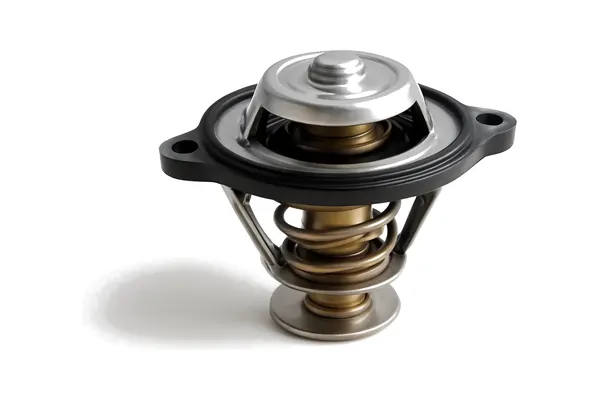
The thermostat is a wear part and is cheap compared with the engine damage overheating can cause, so we usually suggest fitting a new one rather than a used one. The thermostat housing, which is often a separate part, is a reasonable used buy if the old one is cracked.

The radiator
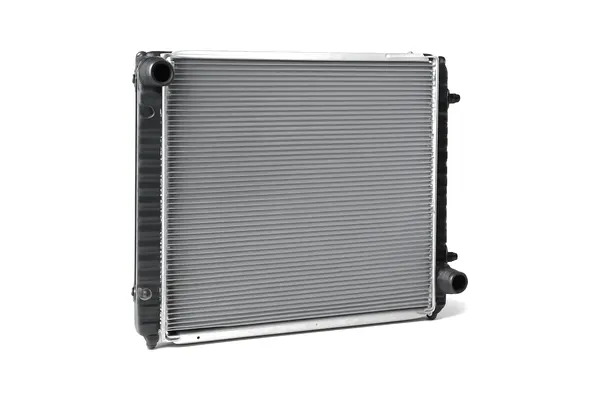
The radiator hands the engine's heat to the air, helped by the fan. HELLA's troubleshooting checklist for an overheating engine asks two radiator questions: is the outside of the radiator (and the air-con condenser in front of it) clean enough to let air through, and is the radiator clogged inside? A workshop checks the second by comparing the coolant temperature going in and coming out (HELLA Tech World, cooling system check). A radiator that leaks, or that has a blocked core, gets replaced rather than repaired.
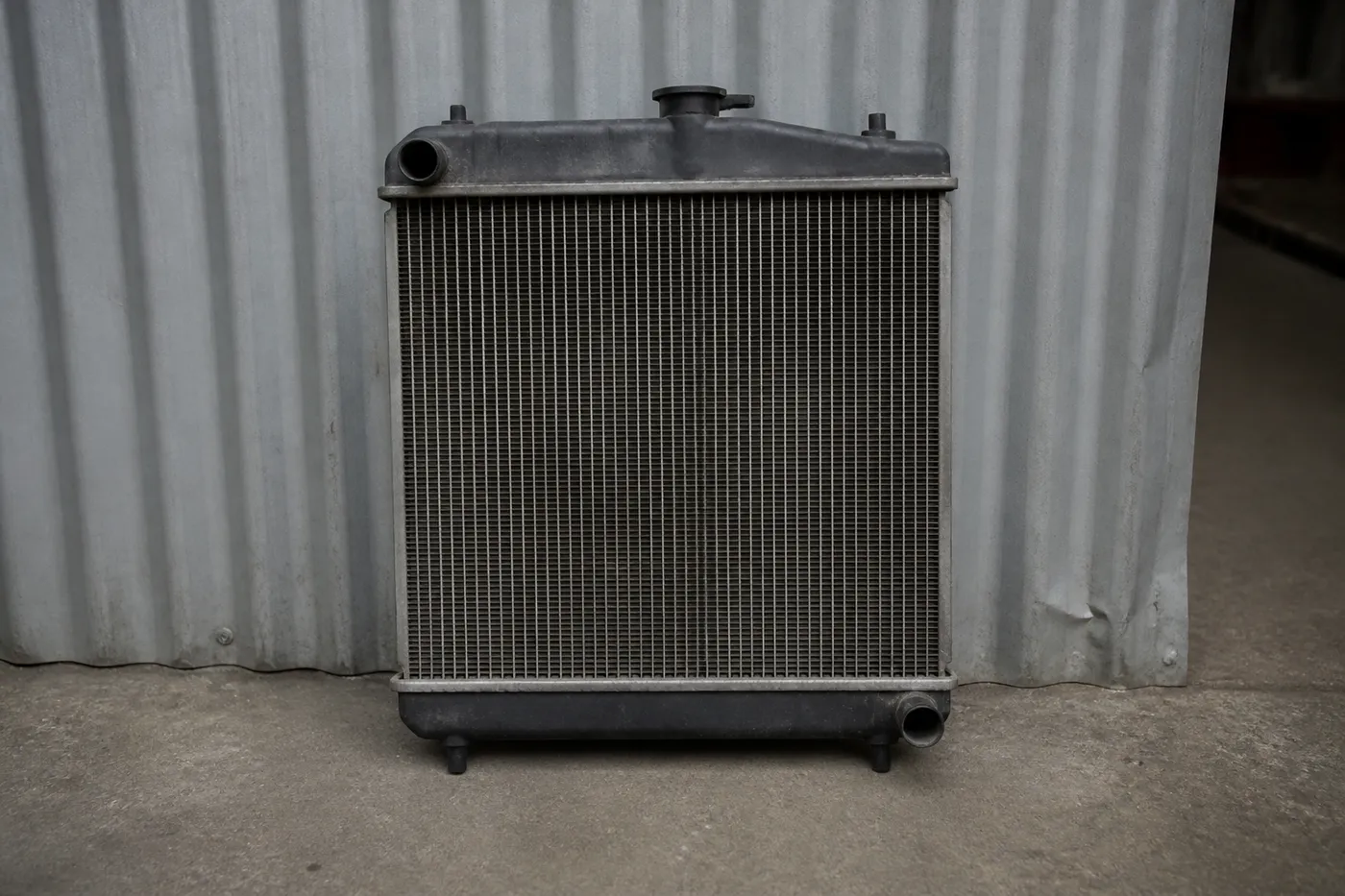
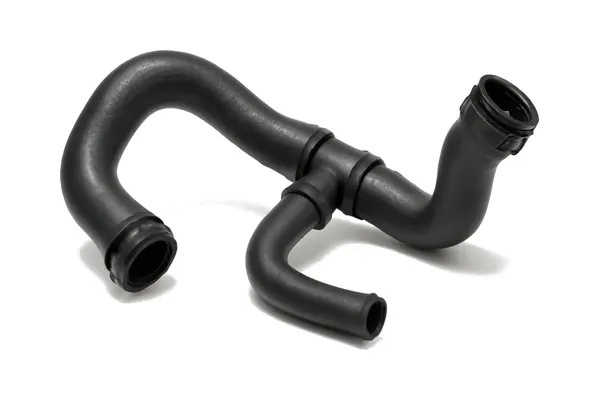
Used radiators: check where the car was hit Radiators are one of the better parts to buy used, as long as the car it came from was not hit at the front. Ours are stripped from accident-damaged vehicles and tested before they go out.
Check them in this order
This order follows HELLA's own checklist for an overheating engine, starting with the quickest checks:
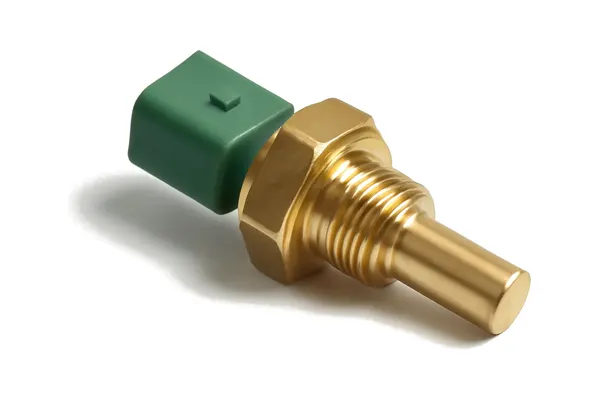
- Is the reading real? A faulty coolant temperature sensor or gauge can show overheating that is not happening.
- Coolant level and leaks, with the engine cold. The system runs at about 1.0 to 1.5 bar when hot, so never open it while it is hot.
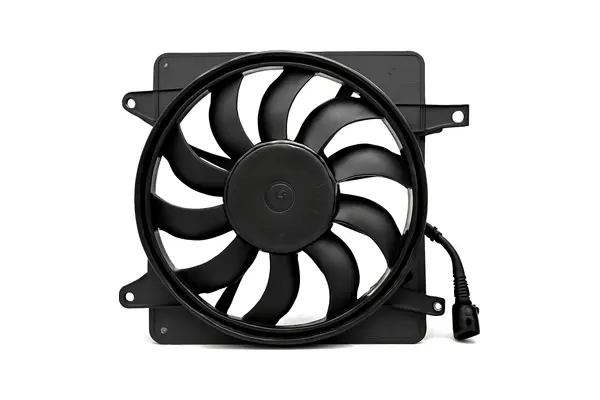
- Radiator and fan: clean fins, and a fan that switches on.
- Thermostat: does it open? A workshop records the temperature before and after it, or tests it in a water bath.
- Pump: noise, play, leaks, and whether the impeller still sits firmly on its shaft.
What to send us
A water pump or radiator that looks right can still be wrong for your engine. Send us the year and model, the engine code (on the engine and in the service book), the VIN from your licence disc and a photo of the old part. For an E46 3 Series the used E46 parts page lists the common models. For the 2005 to 2011 3 Series, go to the E90 parts page, or start at all used BMW spares for any other model.
Used parts for this job
Tap a part to ask us for a price.
Sources
- Coolant pumps — technical information — HELLA Tech World
- Engine cooling — design and function — HELLA Tech World
- Cooling system check — troubleshooting and diagnostics — HELLA Tech World
- The new BMW 630i Coupé and Convertible (2004) — BMW Group PressClub UK
FAQ
Questions people ask
What are the symptoms of a broken water pump?
HELLA lists three: noise from the pump, loss of coolant, and inadequate cooling with the engine overheating. A small trace of coolant at the pump's relief hole is not, on its own, proof of failure, but a steady drip is.
What are the symptoms of a BMW E39 water pump failure?
The E39's six-cylinder engines predate BMW's first electric water pump of 2004, so they have a belt-driven pump. Expect the same signs as any mechanical pump: bearing noise, coolant leaks and overheating. Check the belt and the viscous fan clutch too, because a failing clutch can break the pump bearing.