
BMW Fuel System: Fuel Pumps, Injectors and Common Faults

Researched by Craig Sandeman
Automotive researcher and writer on South African used car parts.
· · 4 min read · LinkedIn
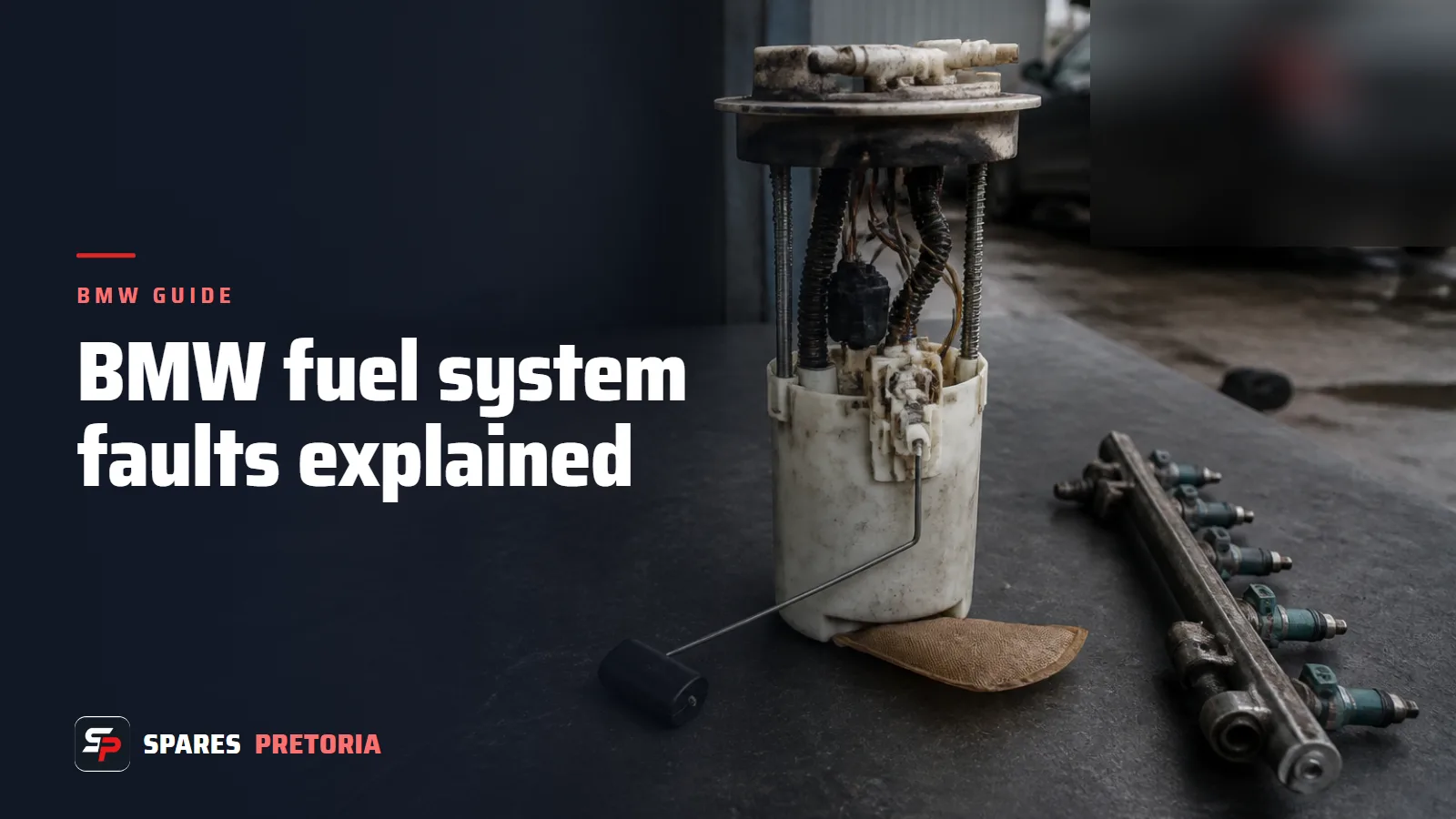
A BMW fuel system uses an electric pump in the tank to feed the engine. On BMW direct-injection petrol engines (High Precision Injection), an engine-driven high-pressure pump then raises the pressure, to a maximum of 200 bar on BMW's 2.0-litre TwinPower Turbo. Hard starting, stalling and poor acceleration point to the fuel pump, but check fuses, relays and fault codes first.
Key takeaways
- Fuel-injected BMWs use an in-tank electric pump; direct-injection engines add a high-pressure pump.
- HELLA: the low-pressure circuit on a direct-injection engine runs at up to 6.0 bar.
- BMW quotes a maximum of 200 bar injection pressure on its 2.0-litre TwinPower Turbo four-cylinder.
- HELLA says over half of all fuel pump replacements are the result of misdiagnosis.
- Fuel rails and tanks are good used buys; filters and seals should be new.
In this guide
A BMW fuel system has one job: get fuel from the tank to the injectors at the right pressure. On a fuel-injected BMW petrol engine without direct injection that is a low-pressure system, with an electric pump in the tank feeding the injectors. On BMW's direct-injection petrol engines there is a second, high-pressure pump on the engine that raises the pressure much further before the fuel reaches the injectors. Knowing which system your car has is the first step to finding the fault.
This guide covers both systems, the symptoms of each kind of failure, why fuel pumps are so often replaced for nothing, and which fuel parts are worth buying used.
The two kinds of BMW fuel system
Low-pressure: the electric pump in the tank
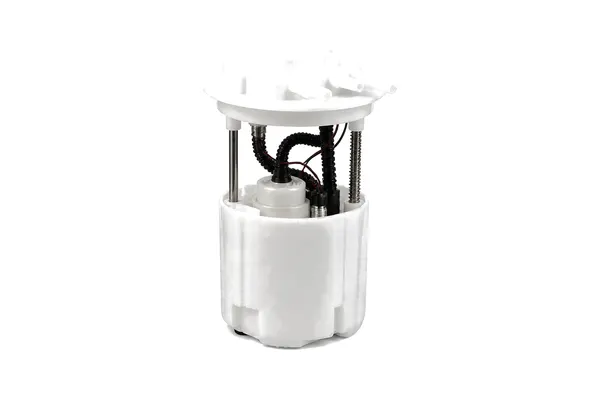
A fuel-injected BMW petrol engine starts with an electric fuel pump in the tank. It draws fuel through a filter and sends it forward to the engine. On a direct-injection engine this low-pressure circuit feeds the high-pressure pump, and its pressure is set by the engine computer at up to 6.0 bar, depending on the system (HELLA Tech World, checking a high-pressure fuel pump).
High-pressure: BMW High Precision Injection
BMW calls its petrol direct injection "High Precision Injection". In its model-year 2008 announcement, BMW said that "in addition to the in-line 6-cylinder engines", its four-cylinder petrol engines now also had petrol direct injection, with the fuel delivered by piezo injectors placed between the valves, right next to the spark plug (BMW Group PressClub UK, 2007). On BMW's 2.0-litre TwinPower Turbo four-cylinder, BMW gives the maximum injection pressure as 200 bar (BMW of North America press information, April 2011).
That 200 bar is generated by a high-pressure pump driven by the engine. HELLA lists the parts of a direct-injection high-pressure system as the high-pressure pump, a pressure control device, the fuel rail, the high-pressure line, a fuel pressure sensor and the injectors.
Symptoms: which pump is failing?
In-tank fuel pump
HELLA's product information for fuel pumps lists the signs that the in-tank pump may need replacing: difficult or no starting, extended cranking, immediate or intermittent stalling, rough idle, poor acceleration and severe engine lag (HELLA brief information, fuel pump unit and fuel pump).
High-pressure pump (direct-injection engines)
For a high-pressure pump, HELLA lists erratic running, no power in the upper speed range, poor starting, the engine cutting out with the engine warning light on, and oil dilution. Because the engine computer monitors the high-pressure system, a fault here usually leaves a stored fault code, which makes a diagnostic scan the sensible first step.
Why BMW fuel pumps fail
For the in-tank pump, HELLA names contamination as one of the top causes: dirt and debris that get in when refuelling, or poor-quality fuel. Overheating and wear also cause failures, and driving often on a low tank speeds up wear because it stirs up debris from the bottom of the tank and draws it into the pump.
High-pressure pumps wear for different reasons. HELLA lists mechanical damage to the drive, roller tappet or pump element, leaks, poor lubrication from oil dilution or poor oil, service intervals that were not kept, and contamination coming from the low-pressure side.

Before you buy a pump: the misdiagnosis problem
Rule out the cheap causes first HELLA states that "over half of all fuel pump replacements are the result of misdiagnosis". Modern cars have several systems that can switch the fuel pump off, including the security system, so a car that will not start is not automatically a dead pump. Check the fuse, the relay and the wiring, read the fault codes, and have the fuel pressure measured before buying a pump.
Which BMW fuel parts to buy used
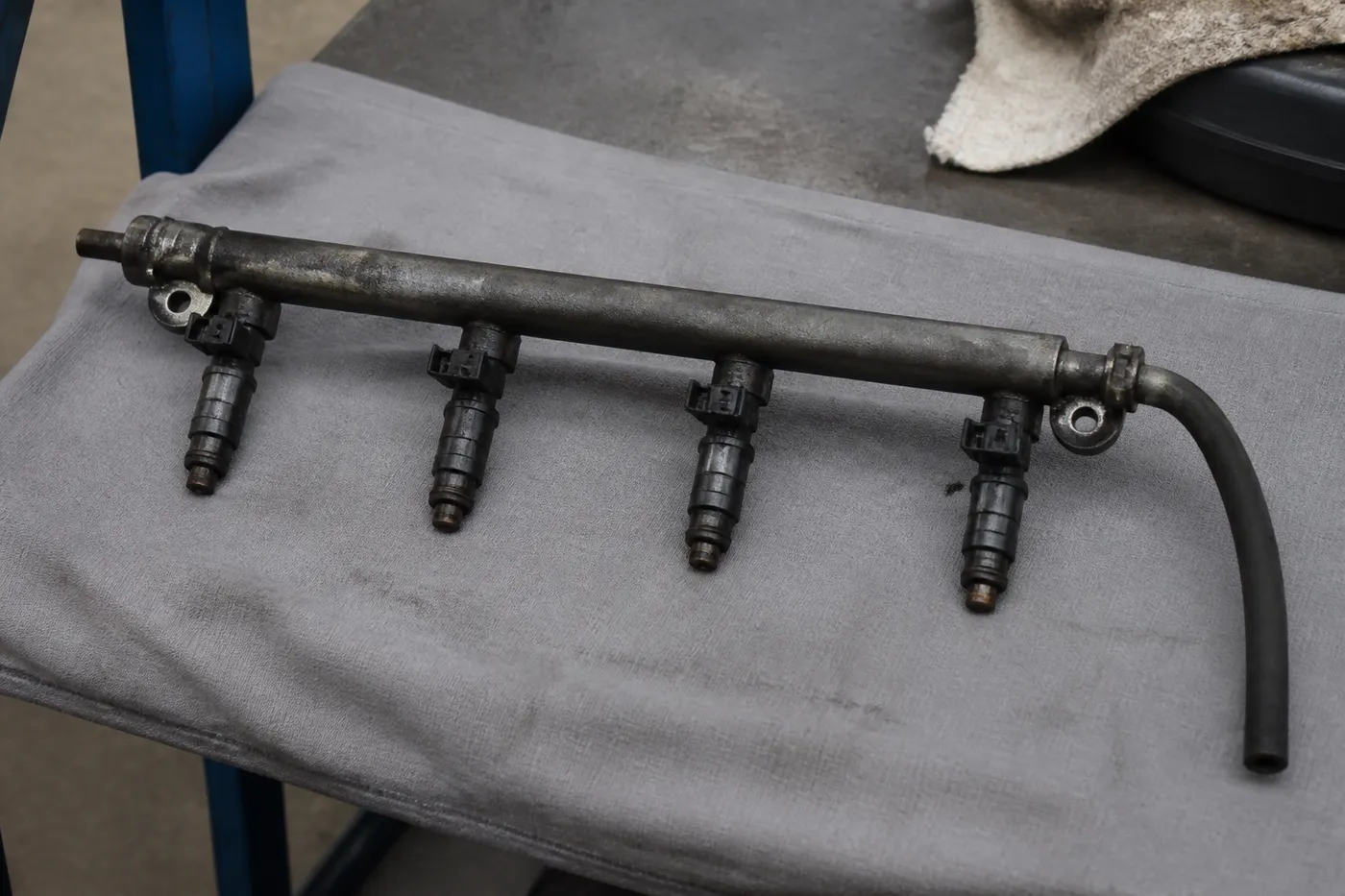
- Good used buys: fuel rails, fuel tanks and filler necks. None of these has a motor or moving pump element, so a used one from a car that was hit elsewhere is usually a sound buy.
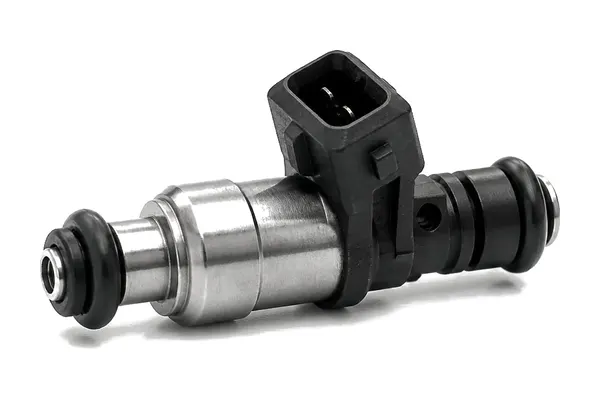
- Buy used with care: high-pressure pumps and injectors on direct-injection engines. They are costly new, but they must match your engine exactly, and an injector should be tested before it is fitted.
- Usually better new: fuel filters and the in-tank filter sock, which are service parts, plus any seals and O-rings.
Stripped and tested Our parts are stripped from accident-damaged vehicles and tested, and we have been stripping and selling used parts for over 15 years. Send a photo of the old part and its plug so we can match it.
If your problem looks more like overheating than fuel, our BMW cooling system guide covers that side of the engine.
What to send us for a fuel part
Fuel parts differ between engines within one model, so we need more than the model name:
- The year and model, as they appear on your registration papers.
- The engine code, which is stamped on the engine and recorded in the service book.
- The VIN from the licence disc or the windscreen.
- A photo of the old part and its plug.
For the 3 Series, the E90 parts page and the F30 3 Series spares page cover the common parts. For any other model, start with used BMW parts.
Used parts for this job
Tap a part to ask us for a price.
Sources
- Checking a high-pressure fuel pump — HELLA Tech World
- Brief information: fuel pump unit and fuel pump — HELLA
- BMW EfficientDynamics — now also for the 3 Series (2007) — BMW Group PressClub UK
- BMW 4-cylinder engines return to US in 2011 in the Z4 sDrive28i — BMW of North America
FAQ
Questions people ask
How to know if a BMW fuel pump is bad?
HELLA lists the signs: difficult or no starting, extended cranking, stalling, rough idle, poor acceleration and severe engine lag. Before buying a pump, check the fuse, relay and wiring and read the fault codes, because HELLA says over half of all fuel pump replacements are the result of misdiagnosis.
How do you diagnose a fuel system problem?
Start with the cheap checks: fuse, relay, wiring and stored fault codes. Then have the fuel pressure measured. On a direct-injection BMW the engine computer monitors the high-pressure system, so a diagnostic scan is the sensible first step.