
How to Scrap a Car in South Africa

Researched by Craig Sandeman
Automotive researcher and writer on South African used car parts.
· · 5 min read · LinkedIn
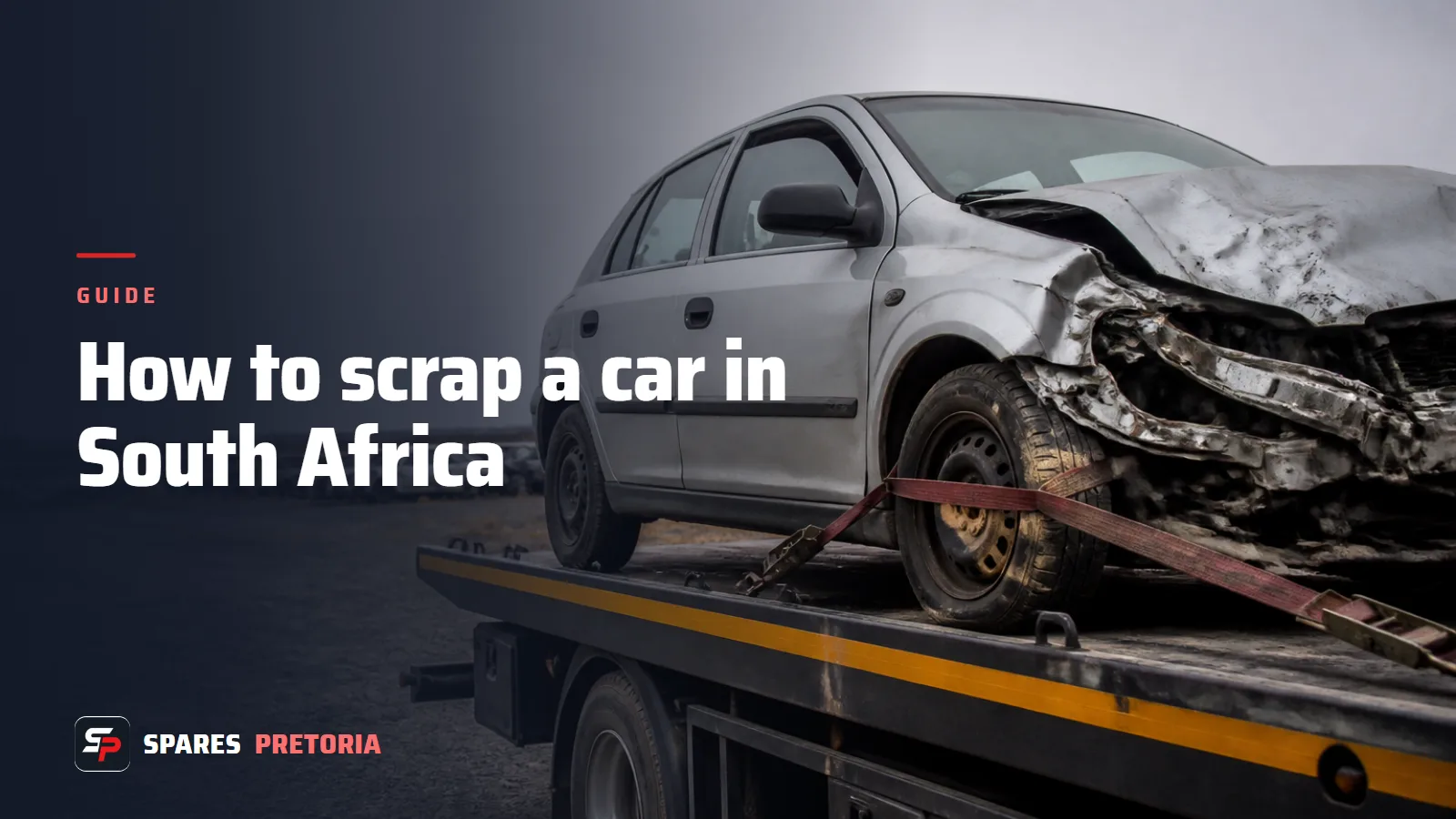
To scrap a car in South Africa you deregister it at your registering authority. If you are both the owner and the title holder, take:
- A certified copy of your ID
- Certified proof of ownership (title holder)
- The vehicle's registration certificate
Then complete the ADV form (Application for Deregistration of Vehicle). It is processed the same day and is free, but late applications can attract penalties and arrears.
Key takeaways
- You must deregister a car that is permanently unfit for the road, stolen, permanently demolished or exempt from registration.
- The deadline is three months from the day the car became unfit or was demolished.
- The owner uses form CNV; the title holder uses ADV (unfit) or ADV1 (demolished). If you are both, it is one visit.
- Deregistration is free and processed the same day, but late applications can attract penalties and arrears.
- A car left unlicensed for four years is deregistered automatically, but the arrear fees and penalties still apply.
In this guide
To scrap a car in South Africa you deregister it with your registering authority. Who fills in which form depends on whether you are the car's owner, its title holder, or both. If you are both, it is one visit: take your ID, proof of ownership and the registration certificate, and complete the ADV form. According to the government's deregistration service page, the application is processed on the same day and the service is free, although penalties and arrears can be charged if you apply late.
The part most guides skip is the deadline. The regulations give you three months from the day the car became permanently unfit for the road, or was demolished, to tell the registering authority. This guide covers who qualifies, who signs what, and what happens to the car afterwards.
Can your car be deregistered?
The government lists four situations where you must apply to deregister a vehicle. The car has been declared permanently unfit to be on a public road, it has been stolen, it has been permanently demolished, or it has become exempt from registration.
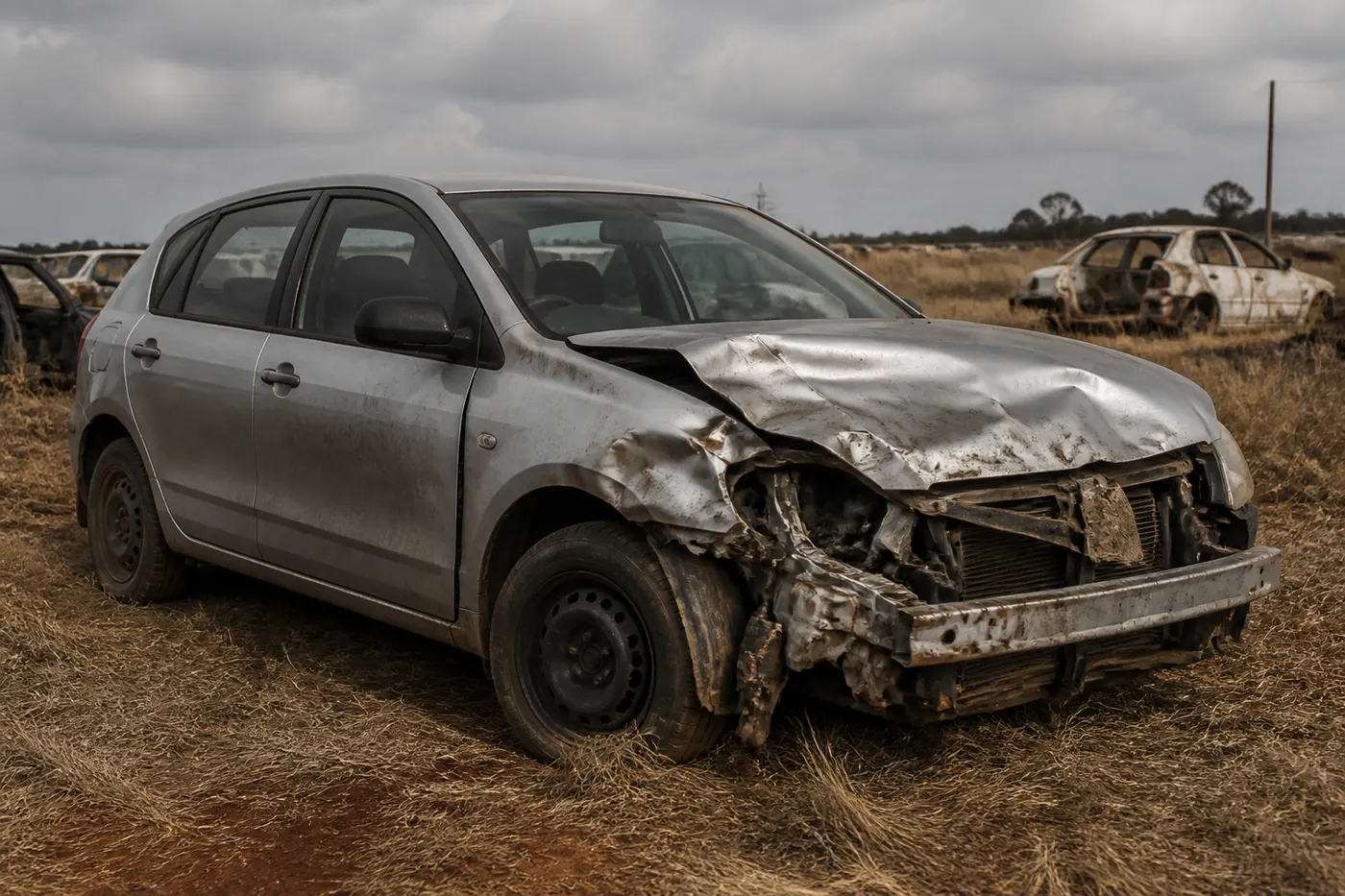
The common case is a car that has been in a serious accident and is not worth repairing. That is a car that is "permanently unfit for use", in the regulations' wording. A car that has already been crushed or cut up is "permanently demolished", and that uses a different form (see below).
Owner or title holder: who does what
The registration certificate names two people: the owner (who uses the car) and the title holder (who holds legal title). They are often the same person. When they are not, for example when a finance company is still the title holder, regulation 55 of the National Road Traffic Regulations gives each of them a separate job:
- The owner must tell the title holder straight away, notify the registering authority on form CNV within three months, and hand in the registration certificate if they have it.
- The title holder must notify the registering authority within three months on form ADV (permanently unfit) or form ADV1 (permanently demolished), and hand in the registration certificate if the owner has not.
- For a demolished car, the title holder also submits either an affidavit with the vehicle's details and the reason, or a certificate of demolition saying where and when it was demolished and who operated the equipment.
Steps to deregister your car
If you are both the owner and the title holder, the government page sets out a single visit:
- Go to your nearest registering authority.
- Hand in your documents: a certified copy of your ID, a certified copy of proof of ownership (title holder), and the vehicle's registration certificate.
- Complete the ADV form (Application for Deregistration of Vehicle). It is available at the registering authority or as a download from the eNaTIS website.
- Bring anything extra they ask for. Supporting documents may be needed in some cases, and the office will tell you which.
Once your application is accepted, the registering authority issues a deregistration certificate. Keep it: it is your proof that the car is off the register.
Tip: before you sell or scrap a car, look up its VIN on the insurance industry's free VIN lookup. It shows vehicles recorded in the industry salvage database as Code 3, 3A or 4.
How long it takes and what it costs
Government says the application is processed on the same day and that the service itself is free. Penalties and arrears can still be charged if the application is late, which is why the three-month window matters.
The regulations add a useful detail for owners. Once the registering authority acknowledges the owner's CNV notice, the owner no longer has to license the car from the first day of the following month. Until then, you are still liable to license it.
What if you just stop licensing it?
Some people leave a dead car in the yard and let the licence lapse. Under regulation 26A, a car that is not licensed within four years of the licence falling due is deregistered automatically.
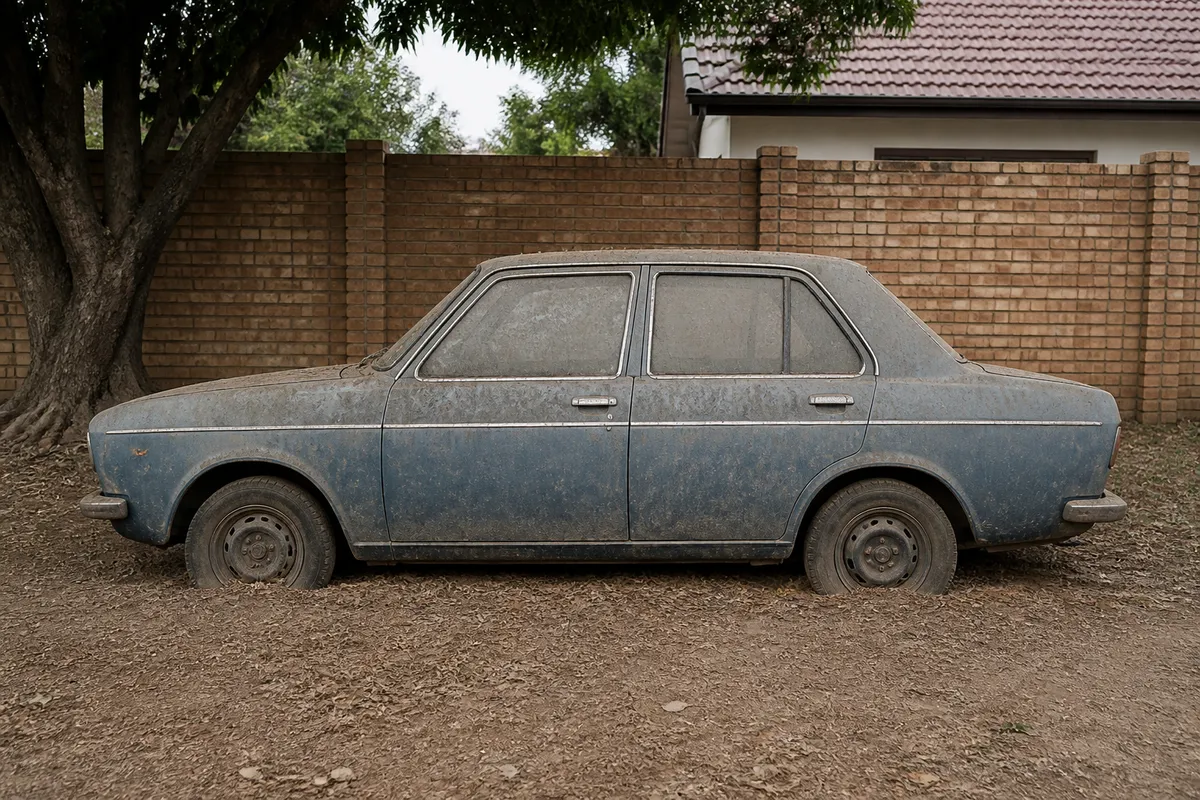
Automatic deregistration does not let you off The same regulation says automatic deregistration does not exempt the owner from licensing the car or from paying the penalties and arrear licence fees. Letting it lapse does not avoid the cost.
Written-off cars and the salvage codes
If an insurer wrote the car off, check its status code first. The South African Insurance Association lists the codes in its salvage database:
| Code | What it means | Allowed on the road? |
|---|---|---|
| Code 2 | Used vehicle | Yes |
| Code 3 | Rebuilt after significant damage | Yes, after it is rebuilt |
| Code 3A | Spare parts only | No |
| Code 4 | Scrap, permanently demolished | No |
A Code 3A car can still be worth something, because the parts on it are reusable even though the car can never go back on the road. If you want to know where those parts end up, our guide to Pretoria's scrap yards, suburb by suburb walks through the trade.
Selling the car for scrap or parts
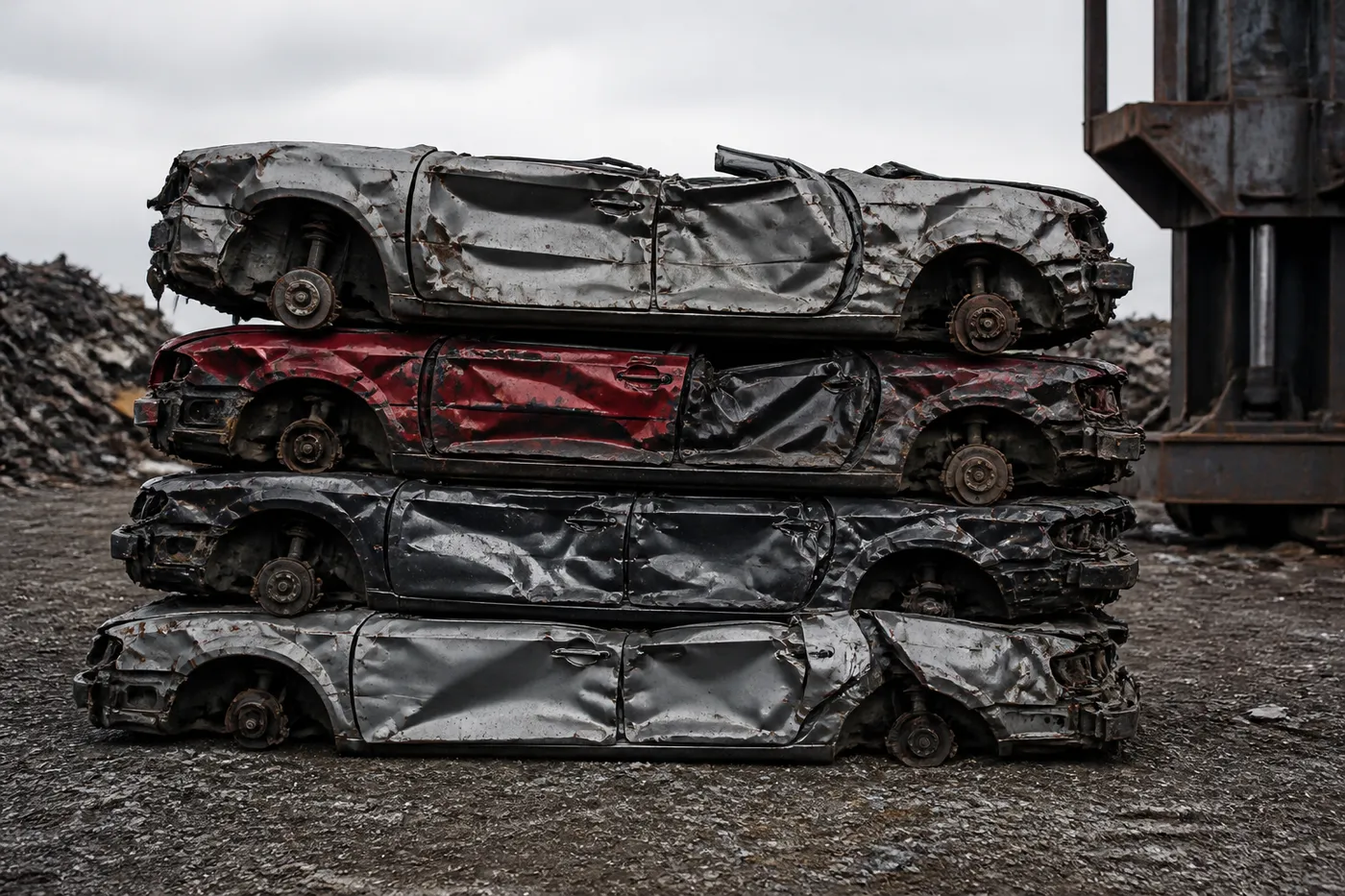
If you would rather sell the car than take it apart yourself, the paperwork follows you. Under section 24 of the Second-Hand Goods Act, anyone selling a vehicle to a second-hand vehicle dealer must give their full name, physical address, original ID and proof of registration or deregistration. The dealer must record the VIN, chassis and engine numbers and keep copies for at least five years. A dealer who asks for none of this is not following the Act.
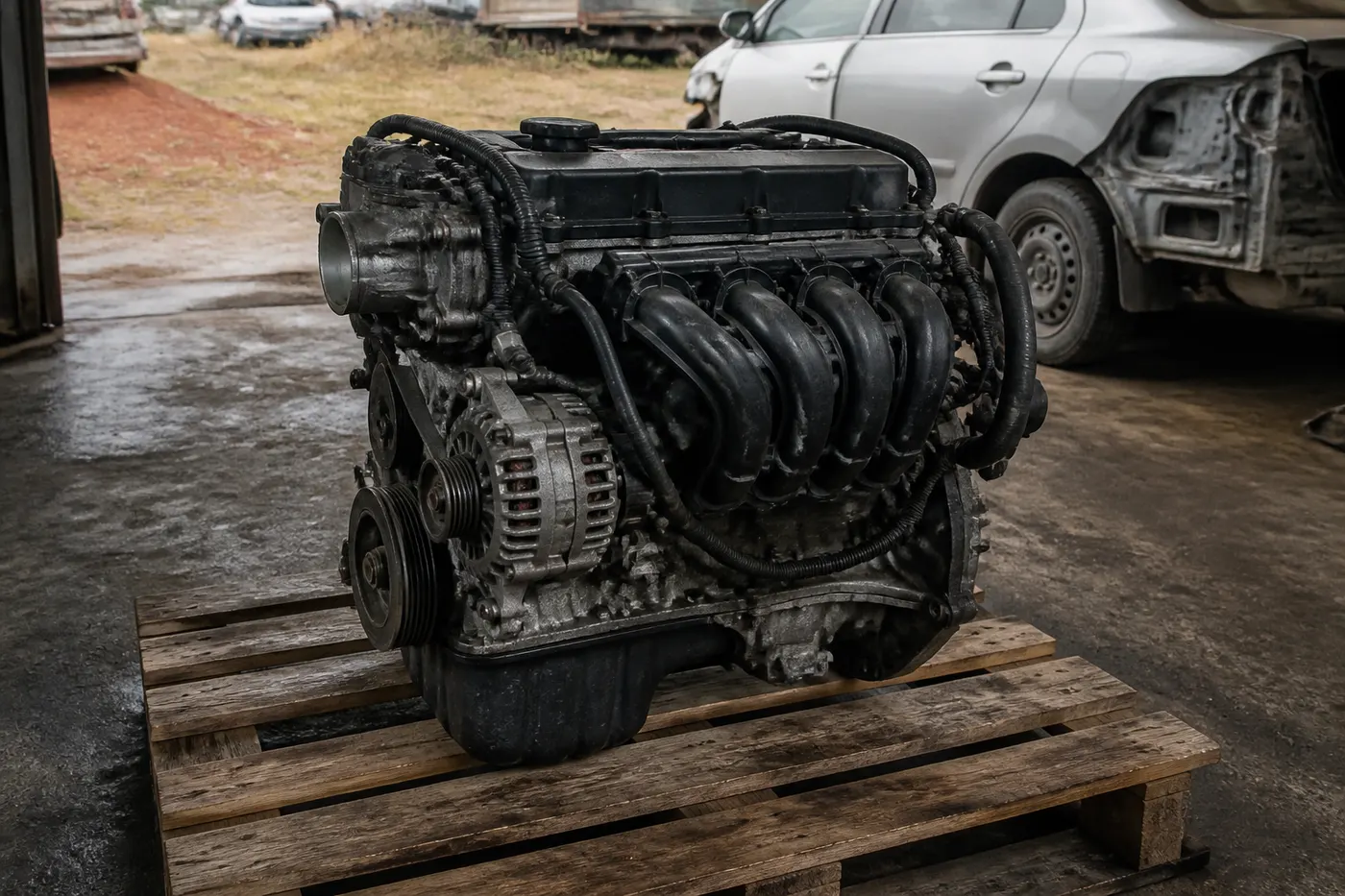
Stripped and tested We have been stripping and selling used parts for over 15 years. Our parts are stripped from accident-damaged vehicles and tested before they go out.
Our vehicles stripping page explains how that works. If the car can still be saved with a used part instead, start from your make on the car brands page. If you are curious how this differs from the way it works overseas, read how South African salvage compares with the US system.
In short
Deregister within three months of the car becoming unfit or being demolished. Take your certified ID, proof of ownership and the registration certificate, complete the ADV (or ADV1) form, and keep the deregistration certificate you are given. Letting the licence lapse does not make the arrears go away.
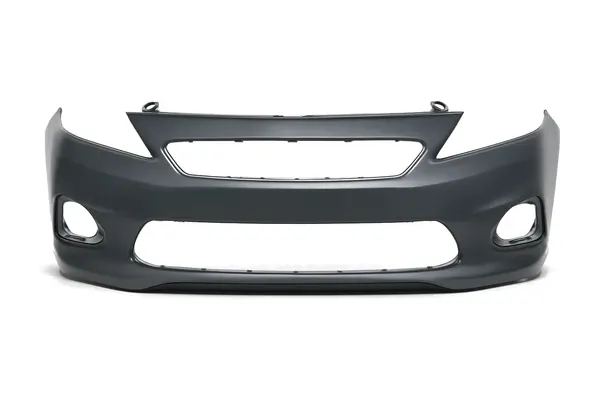
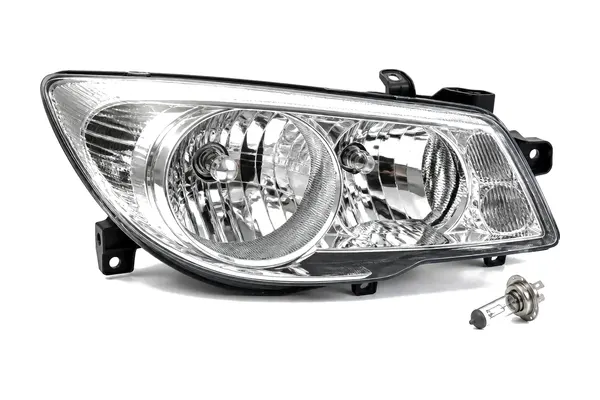
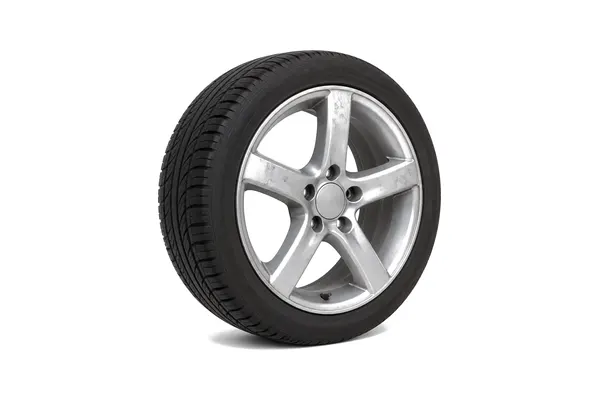
Used parts for this job
Tap a part to ask us for a price.
Sources
- Deregister a motor vehicle — South African Government (gov.za)
- National Road Traffic Regulations, regulation 55: Procedure if a motor vehicle becomes permanently unfit or has been permanently demolished — Acts Online (National Road Traffic Act 93 of 1996)
- National Road Traffic Regulations, regulation 26A: Consequences of failure to license — Acts Online (National Road Traffic Act 93 of 1996)
- Second-Hand Goods Act 6 of 2009, section 24: Motor vehicle records — Acts Online
- Insurance risks: Vehicle Salvage Database and VIN Lookup System — South African Insurance Association
FAQ
Questions people ask
How much does it cost to deregister a vehicle in South Africa?
The deregistration service itself is free, according to the government's service page. Penalties and arrears can be charged if the application is late, so apply within three months of the car becoming unfit for the road or being demolished.
How do I unregister a car in SA?
Go to your registering authority with a certified copy of your ID, certified proof of ownership and the vehicle's registration certificate, and complete the ADV form (Application for Deregistration of Vehicle). If the owner and the title holder are different people, the owner notifies the authority on form CNV and the title holder submits the ADV or ADV1.
Can I scrap my car on my own?
Yes, if you are the title holder you can do the deregistration yourself at the registering authority. Check who is named as title holder on the registration certificate. If it is someone else, such as a finance company, they must submit the ADV or ADV1 form, and you notify the authority as owner on form CNV.
How much do you get for scrapping a car in South Africa?
We can't give a fixed figure without seeing the car. What it is worth depends on its condition and which parts can be reused. Send us the details and photos through our sell-your-car-for-scrap form and ask for an offer.